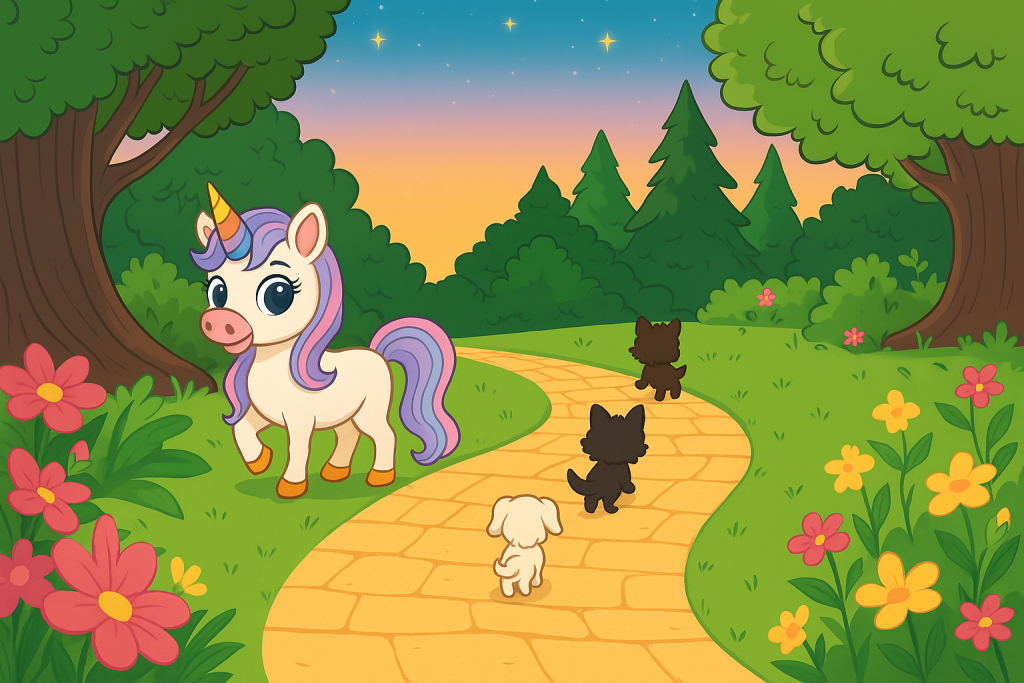
There’s a reason forests keep appearing in children’s stories.
Not just once.
Not just occasionally.
But again and again — winding paths, hidden clearings, soft dangers, quiet magic.
Forests are where children learn bravery without being frightened, and courage without being forced.
And that’s exactly why forest-based stories, like Pawprint Adventures, resonate so deeply with young readers.
Forests Feel Safe… and a Little Scary
For a child, a forest is the perfect metaphor for growing up.
It’s beautiful — but unknown.
Calm — but unpredictable.
Full of wonder — and shadows.
That balance matters.
Psychologists and educators often note that children process emotions best through symbolic environments. A forest allows kids to explore fear, kindness, confidence, and uncertainty at a distance — through characters they trust.
They’re not facing the fear directly.
They’re walking beside it.
Animal Characters Make Big Feelings Manageable
When children see animals navigating a forest, something magical happens.
Fear becomes approachable.
Bravery feels achievable.
Mistakes feel forgivable.
Animal characters create emotional safety. Kids instinctively empathise with them — without the pressure of seeing themselves too clearly. This is why Bella, Bailey, and Max feel like companions rather than heroes.
They’re not perfect.
They’re learning.
And so is the reader.
Courage Isn’t Loud — It’s Gentle
One of the most powerful lessons forest stories teach is this:
Courage doesn’t always roar.
Sometimes it whispers.
It looks like:
- Taking one small step forward
- Helping a friend when you’re unsure
- Facing a fear together instead of alone
In The Forest of Fears, courage isn’t about defeating monsters — it’s about understanding them.
In The Forest of the Hope Tree, hope grows slowly, quietly, patiently.
That’s real courage. The kind kids can actually use.
Why Forest Stories Spark Creativity
Forests don’t come with instructions.
They invite imagination.
Children reading forest stories often:
- create their own characters
- draw new creatures and paths
- invent side adventures
- extend the story through play and art
That’s why colouring pages, storytelling prompts, and imaginative play work so beautifully alongside forest-based books — they allow the story to keep growing after the last page.
Stories That Grow With the Child
The best children’s books don’t age out quickly.
A five-year-old might see:
“A magical forest with animals and adventure.”
A seven-year-old might see:
“A story about friendship and facing fears.”
An adult reading along might see:
“A reminder that courage can be kind.”
Forest stories meet children where they are, then walk with them as they grow.
Final Thought
Forests aren’t just places in stories.
They’re emotional landscapes.
They teach children that it’s okay to feel unsure, to be gentle, to take their time — and that bravery often looks like simply continuing on the path.
One paw print at a time.